


For example, in a 2-for-1 stock split, the investors receive two shares post-split for each share they owned stock splits are issued primarily to before the split occurred. Similarly, for the rest two patterns, shareholders get three shares for every share and every two shares, respectively, after the split. Reverse splits decrease the number of shares while proportionally increasing the share price.
1 Key Differences Between Stock Splits and Stock Dividends
- This increased accessibility can lead to higher liquidity and potentially more stable share prices.
- As a result, the overall equity section remains unchanged, reflecting the same total equity before and after the split.
- Identify the effects of the following transactions on total stockholders’ equity.
- While the forward split marks the increase in the volume of shares and decrease in their prices, the latter indicates a reduction in the quantity of shares and an increase in their prices.
- Stock splits are among the most misunderstood corporate actions in the market, yet they happen all the time.
- On the contrary, a share split refers to splitting the existing company’s shares.
The information provided in this article is for educational and informational purposes only. It does not constitute financial advice, investment recommendation, or an endorsement of any particular investment strategy. Investors should conduct their own research and consult with a qualified financial advisor before making investment decisions. Companies have various reasons for implementing splits despite their neutral impact on value. Let’s explore the different types of splits to understand the strategy behind them. Some active traders used to buy a stock a few weeks before the split and sell it just a few days before the actual split.
Why Do Companies Split Their Stock?

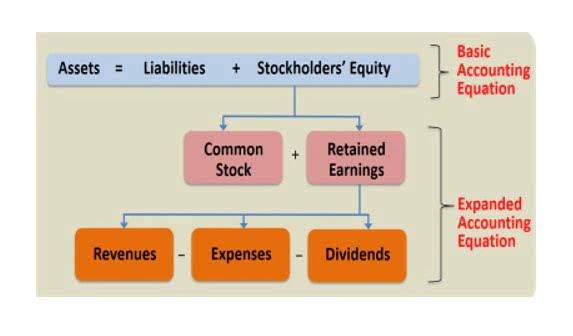
Stock dividends have distinct financial statement effects compared to cash dividends. When a company issues a stock dividend, it distributes additional shares to existing shareholders proportionally. This does not impact the total value of shareholders’ equity but reallocates a portion of retained earnings to the common stock and additional paid-in capital accounts. Financial statement effects of stock dividends include an increase in the number of outstanding shares and a corresponding decrease in retained earnings. However, the overall equity value remains unchanged Online Accounting because the total value of shareholders’ equity is merely redistributed among more shares.

Reverse Splits
Historically, bullish outcomes tend to follow stock split events, often in the form of higher earnings expectations and sometimes earnings growth. But you shouldn’t take it for granted—nothing is certain in the world of stock picking. Our goal is to present verified data clearly and accurately, helping investors of all experience levels understand market trends, sector performance, and individual stock movements. For a 2-for-1 split, one contract for 100 shares at a $100 strike becomes one contract for 200 shares at a $50 strike. The Stock Titan Research Team is a group of market analysts and data scientists who specialize in transforming complex financial data into actionable insights.

The change in share structure is a straightforward mathematical adjustment based on the announced https://firstheritageinvestments.ca/can-a-us-company-hire-a-foreign-independent/ ratio. Common split ratios include 2-for-1, 3-for-1, and 3-for-2, meaning an investor receives two, three, or one-and-a-half new shares for every one share held, respectively. Just as a pizza is still a pizza no matter how you slice it, a stock split doesn’t change the fundamentals of a company.
- Instead, they adjust the par value per share and the number of shares issued and outstanding.
- Analyzing these actions requires a close look at the company’s financial statements to assess the long-term effects on shareholder value and financial ratios.
- A stock split increases the number of shares by dividing each existing share into multiple new shares, without changing the total market value of the company.
- This ensures that the company’s financial statements accurately represent the shares’ distribution without altering the total equity.
- Stock splits are corporate actions where a company increases the number of its outstanding shares by issuing more shares to its existing shareholders.
- 2-for-1 SplitA 2-for-1 stock split is the most common type, in which each share is split into 2 shares.